 Clarenville Dental Care
Invisalign vs braces in Clarenville: which is right for you in 2026?
If you are weighing clear aligners against traditional metal braces, the differences go beyond appearance. This guide breaks down cost, treatment time, comfort, results, and the practical day-to-day differences so you can walk into a consultation already knowing the right questions to ask.
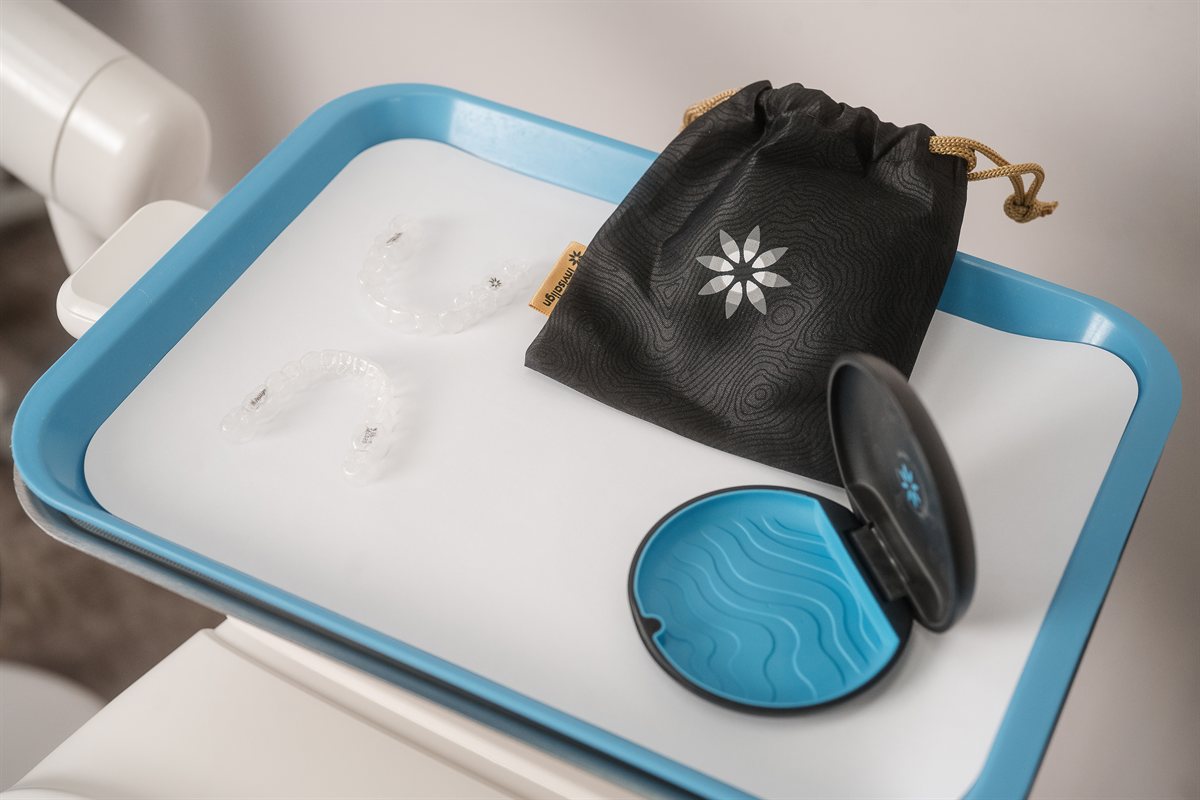
Quick answer: which one should you choose?
For most mild to moderate alignment cases, Invisalign and braces produce comparable results. Invisalign tends to suit adults who want a near-invisible appearance and the ability to remove aligners for meals and brushing. Traditional braces tend to suit complex cases — severe crowding, deep bite issues, or significant tooth rotation — where fixed appliances give the dentist more control. Cost is similar for most cases. The real decision usually comes down to lifestyle and the specifics of your bite, not price.
Side-by-side comparison
| Factor | Invisalign | Traditional Braces |
|---|---|---|
| Cost (Canada, 2026) | $3,500–$8,000 | $3,000–$7,500 |
| Treatment time | 6–18 months (most cases) | 18–24 months (most cases) |
| Appearance | Nearly invisible | Visible metal brackets and wires |
| Removable | Yes — for meals and brushing | No — fixed to teeth |
| Food restrictions | None (remove before eating) | Avoid hard, sticky, chewy foods |
| Hygiene | Easy — brush normally | Requires extra care around brackets |
| Office visits | Every 6–10 weeks | Every 4–6 weeks for adjustments |
| Compliance needed | High — must wear 22+ hours/day | Low — always working |
| Best for | Mild–moderate alignment, adults | Complex bites, teens, severe cases |
Cost ranges shown are general Canadian estimates. The only accurate cost is the one in your written treatment plan after consultation.
Where Invisalign tends to win
Appearance during treatment
This is the most-cited reason adults choose Invisalign. The aligners are clear and made of medical-grade plastic. From a normal speaking distance, most people will not notice you are wearing them. For professionals, public-facing workers, or anyone who simply does not want metal in photos for two years, this matters.
Eating and drinking
You remove Invisalign aligners to eat. No food restrictions, no broken wires, no popcorn-kernel disasters. This is a meaningful quality-of-life difference, especially for adults who enjoy a varied diet.
Brushing and flossing
Cleaning around the brackets and wires of fixed braces takes longer and requires special tools (floss threaders, interdental brushes). Invisalign patients brush and floss normally after removing the aligners. The cavity risk during treatment is lower for compliant Invisalign patients.
Predictable timeline
Invisalign uses digital scans and 3D treatment planning. You can usually see a preview of the final result before treatment starts. The number of aligners gives a precise treatment duration estimate that is harder to predict with braces.
Where traditional braces tend to win
Complex bite correction
Severe crowding, large gaps, significant overbite or underbite, and teeth that need to rotate substantially are easier to manage with fixed braces. The brackets give the orthodontist full control over each tooth in three dimensions. Invisalign has improved at handling more complex cases, but it is not always the right tool.
No compliance required
Braces work 24 hours a day because they are glued on. Invisalign only works when worn 22+ hours daily. Teens, busy professionals, and anyone who suspects they might forget to wear aligners often do better with braces. If you take aligners out frequently, treatment stalls or fails.
Lower replacement risk
Aligners can be lost, damaged, or left in restaurants. Each replacement aligner costs the patient and may delay treatment. Brackets occasionally pop off but are easier and cheaper to re-bond.
What does treatment actually involve?
Invisalign step-by-step
- Consultation — exam, photos, and discussion of goals (this is where you find out if you are a candidate)
- Digital scan — a 3D scanner captures your teeth (no impressions)
- Treatment plan preview — you see a simulation of how your teeth will move
- Aligners arrive — typically a set of 15–40 aligners depending on case
- Wear and switch — change aligners every 1–2 weeks
- Refinements — occasionally a few extra aligners are added near the end
- Retainers — worn after treatment to hold the result
Braces step-by-step
- Consultation and records — exam, X-rays, photos, sometimes impressions
- Bracket placement — brackets are bonded to teeth, wires inserted (about 1–2 hours)
- Monthly adjustments — wires are tightened or changed every 4–6 weeks
- Elastics — small rubber bands may be added to correct bite issues
- Removal — brackets come off when teeth are aligned
- Retainers — worn after treatment to prevent shifting
What about cost and insurance?
Both Invisalign and braces are considered orthodontic treatment by most insurers. Here is the practical picture in Newfoundland:
- CDCP does not cover either — orthodontics is outside the Canadian Dental Care Plan's scope
- Private insurance may help — some employer plans include orthodontic coverage, typically with a lifetime maximum of $2,000–$4,000
- Health spending accounts can usually be applied to either treatment
- In-house payment plans are common — most clinics will split treatment cost across the months of treatment
If cost is the deciding factor between the two, get written quotes for both before choosing. For complex cases, braces are sometimes thousands less than Invisalign. For simple cases, they are usually within a few hundred dollars of each other.
How to decide: questions to ask at your consultation
- "Am I a good candidate for both options, or is one clearly better for my case?"
- "What is the realistic treatment time for each option in my situation?"
- "What does the total cost include — retainers, refinements, follow-ups?"
- "What happens if I do not wear my aligners enough?" (for Invisalign)
- "How will the final result compare between the two?"
- "Is there a payment plan available?"
An honest consultation will tell you when Invisalign cannot deliver what you want — that is a sign you are getting a real recommendation, not just being sold the more profitable option.
Book a consultation in Clarenville
If you are considering orthodontic treatment in Clarenville and want to find out which option fits your case, call (709) 466-7001 or open the Invisalign page for more on how clear aligner treatment works at the clinic. For cosmetic context, the cosmetic dentistry page covers how alignment fits into broader smile planning, including whitening and bonding.