 Clarenville Dental Care
When tooth pain is a dental emergency — and when it can wait
Tooth pain is one of the top reasons people search for a dentist in Clarenville outside of regular hours. This guide helps you read the signs and decide how urgently to act — because not every toothache is the same.
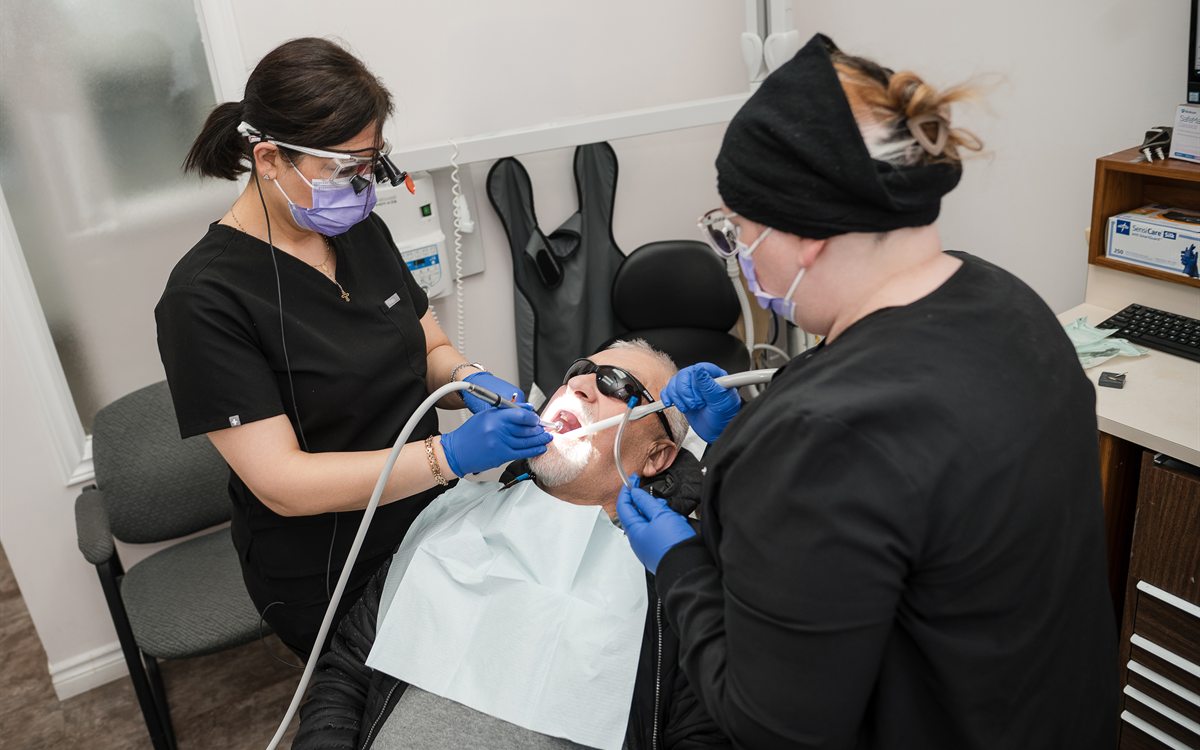
Signs that tooth pain is a dental emergency
Some tooth pain needs same-day attention. The following symptoms should prompt a call to the clinic right away — not a wait-and-see approach:
- Swelling in the jaw, cheek, or gumline — especially if it is spreading
- Pain that is severe, constant, or waking you up at night
- A tooth that was knocked out, cracked through, or knocked loose
- Pain with fever, or a bad taste that suggests abscess or infection
- Inability to open your mouth or swallow comfortably
If you have any of these, call (709) 466-7001 during clinic hours. Dental infections can spread quickly and become serious — they are not the kind of thing to wait out on your own.
When tooth pain can wait for a regular appointment
Not all toothaches are emergencies. The following situations are uncomfortable but typically safe to address at a scheduled visit:
- A dull, intermittent ache without swelling
- Sensitivity to hot or cold that passes quickly (within a few seconds)
- A chipped or cracked tooth with no severe pain or sharp fragments
- Mild gum soreness that is not localized or worsening
- A lost filling or crown that is not causing pain
These still need to be assessed — they do not go away on their own — but they can be booked as a standard appointment rather than a same-day call.
The grey area: how to decide
The most common situation patients describe is pain that is noticeable but not unbearable, with no visible swelling. In that case, call the clinic and describe what you are experiencing. The team can help you decide whether to come in same-day or schedule a visit within the next few days.
What you should not do is ignore dental pain for weeks. Pain is your body's signal that something is wrong. Even if it fades on its own, the underlying cause — a cavity, cracked tooth, or early gum issue — is still there and will likely worsen over time.
What to do before your appointment
If you are dealing with tooth pain while waiting to get in, a few things can help manage discomfort:
- Over-the-counter pain relievers (ibuprofen or acetaminophen) taken as directed
- Avoiding very hot, cold, or sweet foods and drinks on the affected side
- Rinsing gently with warm salt water if the area feels inflamed
- Clove oil applied to the gum can temporarily reduce pain at home
These are management strategies — not fixes. If swelling appears or the pain becomes severe, call the clinic without waiting for the scheduled visit.