 Clarenville Dental Care
Wisdom teeth in Clarenville: pain, impaction, and when to get checked
Wisdom teeth cause more unnecessary suffering than almost any other dental issue — mostly because patients wait too long to act. This guide explains what is actually happening when your wisdom teeth hurt, what the warning signs mean, and how to decide when to book an assessment.
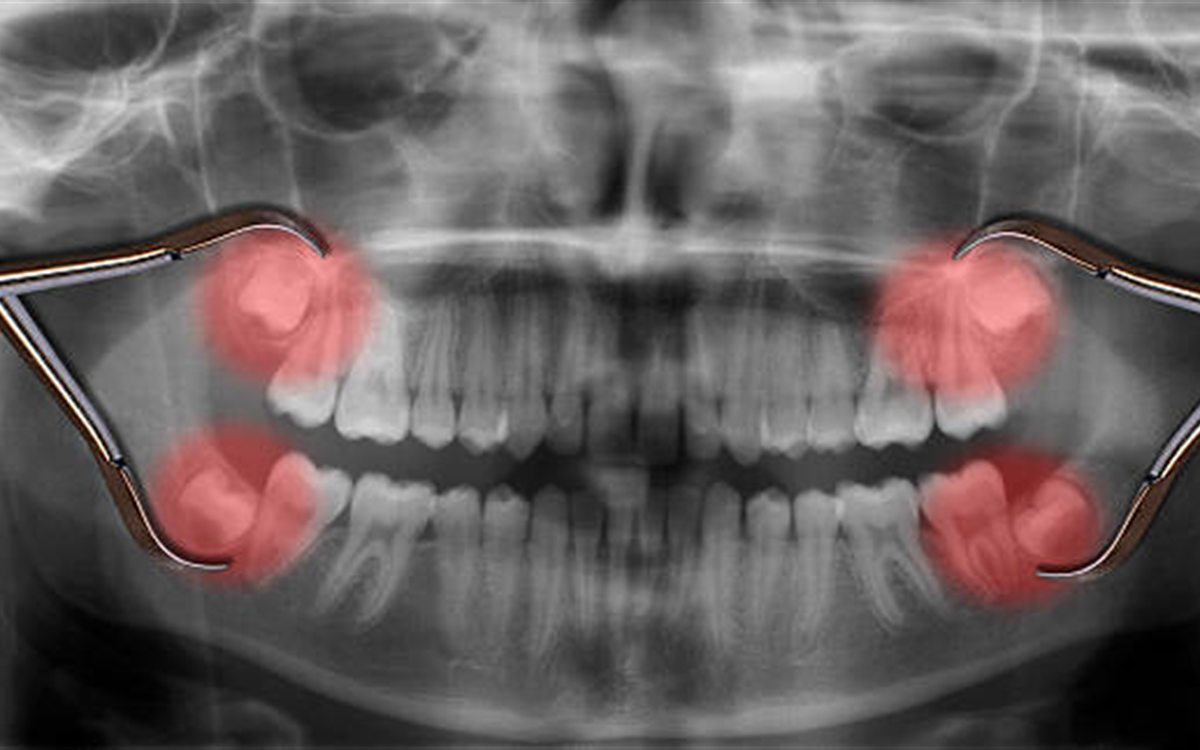
Why do wisdom teeth hurt?
Wisdom teeth — your third molars — are the last teeth to erupt, usually between ages 17 and 25. The jaw often does not have enough room for them, which causes them to push against existing teeth, erupt partially, or become fully impacted (stuck beneath the gum or bone).
Pain from wisdom teeth comes from several sources: pressure on neighbouring teeth, inflammation of the tissue over a partially erupted tooth (called pericoronitis), or infection from bacteria getting under the gum flap. The pain can be sharp or dull, constant or intermittent, and sometimes radiates to the jaw, ear, or throat.
What is pericoronitis?
Pericoronitis is the most common cause of wisdom tooth pain in younger adults. It happens when the gum tissue over a partially erupted wisdom tooth becomes inflamed or infected. Food and bacteria can easily get trapped under the gum flap, and the area is difficult to clean properly.
Symptoms include:
- Pain and swelling at the back of the mouth
- Difficulty opening the jaw or chewing
- A bad taste or smell from the area
- Swollen lymph nodes in the neck
Mild pericoronitis can be managed with rinsing and cleaning, but recurrent episodes or spreading infection are indications for extraction.
Signs you should get your wisdom teeth checked soon
These are the signs that it is time to book an assessment rather than wait:
- Pain at the back of the mouth that has lasted more than a few days
- Swelling of the gum or jaw near the back teeth
- A tooth that has only partially broken through the gum
- Crowding or shifting of your front teeth that is new
- Repeated infections or flare-ups at the back of the mouth
An assessment includes X-rays that show the position of all four wisdom teeth, even those not yet causing symptoms. Early evaluation gives you more options and makes extraction simpler if it is needed.
Does everyone need wisdom teeth removed?
No — but many people do. If your wisdom teeth are fully erupted, properly aligned, and easy to clean, they may not need to come out. However, most wisdom teeth are at least partially impacted, and the risks of leaving a problematic wisdom tooth in place — infection, damage to neighbouring teeth, cysts, and shifting — typically outweigh the risks of extraction.
The decision to extract is made after an assessment and X-rays. The dentist will walk you through what they see and give you a clear recommendation before any treatment is scheduled.